MASTERLY completes the human-centred evaluation of the smart crane system at AERNNOVA
- Posted by minisci
- On June 25, 2026
- 0 Comments
Understanding how operators perceive, trust and interact with advanced robotic technologies is essential for the successful adoption of AI-powered manufacturing solutions. With this objective, the MASTERLY project completed a comprehensive human-centred evaluation campaign for its smart crane demonstrator at the AERNNOVA aerospace manufacturing facility.
The evaluation was carried out in two complementary phases spanning the final stages of the project.
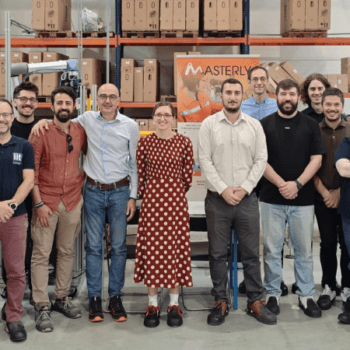
The first phase took place in September 2025, when Cranfield University (CU), in collaboration with AERNNOVA, organised a dedicated human factors workshop to investigate operators’ expectations and attitudes towards the MASTERLY solution. Due to the highly specialised nature of the aerospace production environment—where the targeted handling operations are typically performed by a single operator per shift—the assessment was conducted remotely with an experienced production operator. The session explored key aspects of technology acceptance, trust in automation, usability and human-robot collaboration, providing valuable insights into the human factors influencing the deployment of intelligent crane systems in industrial environments.
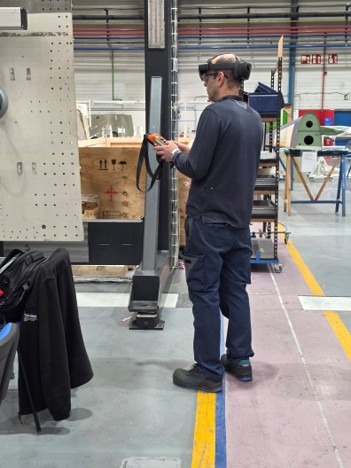
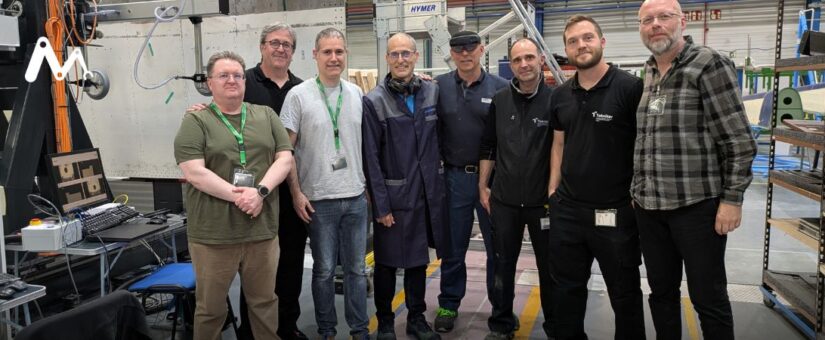
Building on these initial findings, the second phase was carried out in April 2026, when TEKNIKER and Cranfield University organised the final validation workshop directly at the AERNNOVA facility. During this session, operators received hands-on training on the MASTERLY smart crane before participating in the project’s final validation activities. The workshop combined practical use of the system with a structured assessment of operator performance, usability, workload, technology acceptance and psychological impact, supporting both the final validation campaign and the measurement of the project’s key performance indicators.
Together, the two workshops completed the human-centred evaluation cycle for the AERNNOVA pilot, demonstrating not only the technical capabilities of the MASTERLY smart crane but also its acceptance by end users operating in a demanding aerospace manufacturing environment. The results collected throughout these activities are also contributing to a forthcoming scientific publication by Cranfield University entitled “Evaluating Automation and Human–Robot Collaboration in Manufacturing: Evidence from Industrial Workshops”, further reinforcing the scientific impact of the project.
These activities highlight MASTERLY’s commitment to ensuring that the factories of the future are not only more intelligent and automated, but also designed around the needs, capabilities and wellbeing of the people who work in them.